 Best Gastrointestinal Surgeon in Mumbai, Maharashtra
Colorectal Surgery
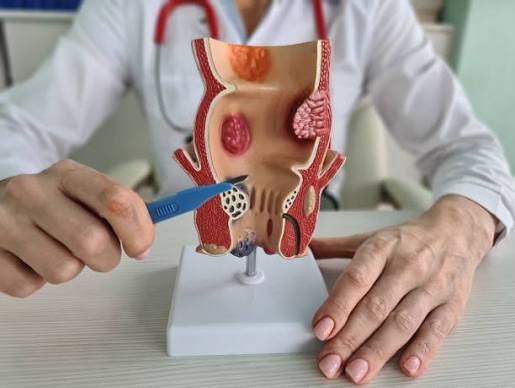
The colon, rectum, and anus undergo a medical procedure known as colorectal surgery. Colorectal surgeons, also referred to as proctologists, perform this procedure, which may be necessary to address a number of issues. These conditions can be acquired or congenital and include Crohn's disease, ulcerative colitis, neoplastic lesions in the colorectal region, birth defects (such as imperforate anus), fissures, fistulas, hemorrhoids, rectal or anal prolapse, fecal incontinence, diverticulitis, diverticular disease, and other disorders. Visit our clinic right now to see Dr. Suyog Shetye, the Best Colorectal Surgical Care Doctor in Dadar.
Surgical techniques
Colorectal surgery can involve a variety of techniques, such as colectomy, stricture-plasty, lateral internal sphincterotomy, ligation, transanal endoscopic microsurgery, anoplasty, bowel diversion, colostomy, and polypectomy. A colectomy may involve removing a piece of the colon or the entire colon along with the rectum.
Lateral internal sphincterotomy is a treatment used to treat tears or anal fissures, whereas bowel diversion surgery is necessary to reroute the transit of feces from the body when a piece of the intestine has been removed or to allow the injured bowel to heal. We have the Best Colorectal Surgical Care Doctor in Dadar.
Transanal endoscopic microsurgery is a minimally invasive method that can be used to remove large rectal polyps. It is an alternative to rectal resection and other traditional transanal treatments, and it has a low recurrence rate. This is because the approach enhances dissection accuracy by providing a better view of the surgical site.
The surgical reconstruction of the anus performed to treat imperforate anus and other conditions is called anoplasty. A colostomy is usually done after bowel resection or trauma to create a hole for the colon to come through the abdominal wall. This is necessary to provide a temporary or permanent escape place for stool. Polypectomies are necessary to remove polyps that have the potential to develop into cancer.
The most common technique at the moment is laparoscopic colorectal surgery, which uses specialized surgical tools and an inside camera. By minimizing the need for large abdominal incisions, this technique minimizes post-operative pain and speeds up the healing process. Make an appointment with Dr. Suyog Shetye, the Best Colorectal Surgical Care Doctor in Dadar, right now.
Carbon dioxide and a few small incisions are used to extend the abdomen. While watching the inside of the abdomen on a video display, the surgeon uses these incisions to perform the necessary procedure. Laparoscopy was traditionally primarily used for gynecological and gallbladder surgery, but it is now more commonly used for colorectal procedures.
Complications
Depending on the type of operation and the reason for the procedure, post-surgical complications might vary in frequency and severity. These include damage to the genitourinary and reproductive systems and organs, as well as serious bleeding that may occur after intestinal perforations or open or traditional colorectal surgeries. Patients may develop serious abdominal cavity infections after surgery. While some patients may have scars that could give them mental or professional discomfort, others may respond adversely to the anesthetics utilized. The likelihood of issues increases with the patient's age. Please get in touch with us as we have the Best Colorectal Surgical Care Doctor in Dadar.