 Best Gastrointestinal Surgeon in Mumbai, Maharashtra
Robotic Surgery
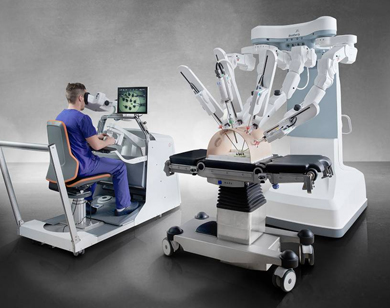
Robotic surgery is an advanced form of minimally invasive surgery that uses robotic technology to assist surgeons in performing complex procedures with enhanced precision and control. The surgeon operates the robotic system through a console, guiding robotic arms equipped with specialized instruments and a high-definition camera.
This technology allows surgeons to perform delicate procedures through very small incisions. Robotic surgery offers greater accuracy, improved visualization, and better outcomes for patients compared to many traditional surgical techniques.
Common Conditions Treated
- Hernia repair
- Gallbladder diseases and gallstones
- Colorectal disorders
- Gastrointestinal tumors
- Kidney and urinary tract conditions
- Prostate conditions
- Gynecological conditions
- Complex abdominal surgeries
Treatment & Surgical Procedures
In robotic-assisted surgery, the surgeon controls robotic arms from a specialized console. The robotic system translates the surgeon’s hand movements into precise micro-movements of surgical instruments inside the patient’s body.
Common Robotic Procedures Include:
- Robotic Hernia Repair Surgery
- Robotic Gallbladder Removal (Cholecystectomy)
- Robotic Colorectal Surgery
- Robotic Urological Procedures
- Robotic Gynecological Surgery
- Robotic tumor removal procedures
Robotic technology provides surgeons with a magnified 3D view of the surgical area and allows extremely precise movements, which can improve safety and surgical outcomes for patients.
Benefits of Robotic Surgery
Robotic surgery offers several advantages compared to traditional open surgery and even some laparoscopic procedures.
- Higher precision and surgical control
- Smaller incisions and minimal scarring
- Reduced pain and blood loss
- Lower risk of infection
- Shorter hospital stay
- Faster recovery and quicker return to normal activities