 Best Gastrointestinal Surgeon in Mumbai, Maharashtra
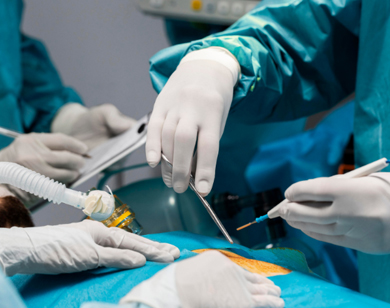
Emergency Surgical Care
Emergency surgical care involves immediate medical and surgical treatment for life-threatening conditions that require urgent intervention. These situations often occur suddenly and demand quick diagnosis, rapid decision-making, and prompt surgical management to save lives and prevent serious complications.
Emergency surgeries may be required for conditions such as severe abdominal pain, internal bleeding, traumatic injuries, infections, or organ rupture. Skilled surgical teams work efficiently using advanced diagnostic tools and modern surgical techniques to provide safe and effective treatment.
Common Emergency Surgical Conditions
- Acute appendicitis
- Intestinal obstruction
- Perforated stomach or intestinal ulcers
- Severe abdominal trauma or injury
- Gallbladder infections or complications
- Internal bleeding
- Strangulated hernia
Symptoms Requiring Emergency Surgical Attention
- Severe or sudden abdominal pain
- Persistent vomiting or nausea
- High fever with abdominal discomfort
- Bleeding from the digestive tract
- Severe injury or trauma
- Difficulty breathing or chest pain associated with abdominal issues
Causes of Surgical Emergencies
Surgical emergencies may occur due to sudden medical conditions, injuries, infections, or complications from existing health problems.
- Untreated infections or inflammation
- Accidents or traumatic injuries
- Organ rupture or perforation
- Complications from gallstones or appendicitis
- Blockage in the intestines
- Delayed treatment of underlying diseases
Emergency Treatment & Surgical Procedures
Emergency surgical treatment depends on the patient's condition and the severity of the medical problem. Rapid diagnosis using imaging tests and laboratory investigations helps doctors determine the most appropriate treatment plan.
Common Emergency Surgical Procedures Include:
- Emergency appendectomy
- Emergency hernia repair
- Intestinal obstruction surgery
- Repair of perforated ulcers
- Trauma surgery for internal injuries
In many cases, minimally invasive surgical techniques may be used to reduce complications, minimize recovery time, and improve patient outcomes.
Prevention & Healthy Practices
While not all surgical emergencies can be prevented, early medical care and healthy lifestyle habits can reduce the risk of severe complications.
- Seek medical attention for persistent abdominal pain
- Follow treatment plans for existing health conditions
- Maintain a balanced diet and healthy lifestyle
- Avoid delaying medical consultations
- Practice safety measures to prevent accidents and injuries