 Best Gastrointestinal Surgeon in Mumbai, Maharashtra
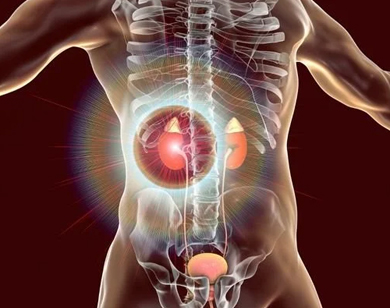
Endocrine Surgery
Endocrine surgery focuses on the surgical treatment of disorders affecting the endocrine glands, which are responsible for producing hormones that regulate many vital functions in the body. These glands include the thyroid, parathyroid, adrenal glands, and pancreas.
When endocrine glands develop tumors, nodules, or hormone imbalances, surgery may be required to remove abnormal tissue and restore proper hormonal function. Modern endocrine procedures often use minimally invasive techniques that offer greater precision and faster recovery.
Common Conditions Treated
- Thyroid nodules and thyroid cancer
- Hyperthyroidism and goiter
- Parathyroid disorders (hyperparathyroidism)
- Adrenal gland tumors
- Hormone-producing tumors
- Benign endocrine gland growths
Symptoms of Endocrine Disorders
- Unexplained weight gain or weight loss
- Persistent fatigue or weakness
- Hormonal imbalance symptoms
- Neck swelling or lump in the thyroid region
- High blood pressure caused by adrenal disorders
- Difficulty swallowing or breathing due to gland enlargement
Causes of Endocrine Disorders
Endocrine disorders may develop due to various medical and lifestyle factors affecting hormone production and gland function.
- Hormonal imbalance
- Genetic or hereditary conditions
- Autoimmune diseases affecting endocrine glands
- Tumors or abnormal growth in endocrine organs
- Iodine deficiency affecting thyroid function
- Chronic stress or metabolic disorders
Treatment & Surgical Procedures
Treatment for endocrine disorders depends on the underlying condition. Some cases can be managed with medication, but surgery may be required when tumors, nodules, or severe hormonal imbalance are present.
Common Endocrine Surgical Procedures Include:
- Thyroidectomy (removal of part or all of the thyroid gland)
- Parathyroidectomy for parathyroid disorders
- Adrenal gland surgery (Adrenalectomy)
- Minimally invasive endocrine surgery
These advanced surgical techniques help improve hormone balance, relieve symptoms, and prevent complications related to endocrine diseases.
Prevention & Healthy Practices
While not all endocrine disorders can be prevented, maintaining a healthy lifestyle can help support proper hormone balance and gland function.
- Maintain a balanced and nutritious diet
- Ensure adequate iodine intake for thyroid health
- Exercise regularly and maintain a healthy weight
- Manage stress effectively
- Avoid smoking and excessive alcohol consumption
- Seek medical evaluation for persistent hormonal symptoms