 Best Gastrointestinal Surgeon in Mumbai, Maharashtra
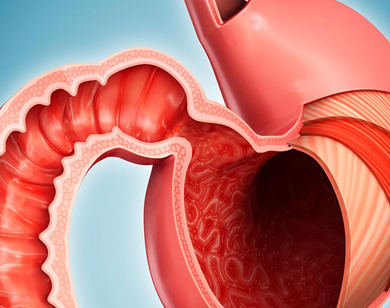
Upper GI Surgery
Upper Gastrointestinal (GI) surgery focuses on the surgical treatment of conditions affecting the upper part of the digestive system, including the esophagus, stomach, and the first part of the small intestine (duodenum). These procedures are performed to treat diseases, remove tumors, repair structural abnormalities, or manage complications affecting digestion.
With advancements in medical technology, many upper GI procedures can now be performed using minimally invasive or laparoscopic techniques. These approaches allow smaller incisions, reduced pain, and faster recovery compared to traditional open surgery.
Common Conditions Treated
- Gastroesophageal Reflux Disease (GERD)
- Stomach and esophageal tumors
- Hiatal hernia
- Peptic ulcers and ulcer complications
- Upper gastrointestinal bleeding
- Swallowing disorders
- Esophageal strictures
Symptoms of Upper GI Disorders
- Persistent heartburn or acid reflux
- Difficulty swallowing (dysphagia)
- Chronic abdominal or chest pain
- Nausea or vomiting
- Unexplained weight loss
- Bleeding in the digestive tract
Causes of Upper GI Disorders
Several lifestyle and medical factors may contribute to upper gastrointestinal conditions that require surgical treatment.
- Chronic acid reflux
- Bacterial infections such as H. pylori
- Unhealthy diet and excessive fatty food intake
- Smoking and alcohol consumption
- Obesity and poor lifestyle habits
- Genetic or hereditary factors
Treatment & Surgical Procedures
Treatment depends on the severity of the condition and may include medication, lifestyle changes, or surgical intervention. When surgery is required, advanced techniques help ensure safe and effective treatment.
Common Upper GI Surgical Procedures Include:
- Laparoscopic Anti-Reflux Surgery (Fundoplication)
- Hiatal Hernia Repair
- Partial or Total Gastrectomy
- Esophageal Surgery
- Endoscopic or minimally invasive tumor removal
Minimally invasive surgery helps patients recover faster, reduces complications, and improves overall treatment outcomes.
Prevention & Healthy Practices
Adopting healthy habits can help reduce the risk of developing upper GI disorders and support better digestive health.
- Maintain a balanced and nutritious diet
- Avoid excessive spicy, fatty, or processed foods
- Maintain a healthy body weight
- Limit alcohol consumption and quit smoking
- Manage stress and follow regular eating habits
- Seek medical advice for persistent digestive symptoms