 Best Gastrointestinal Surgeon in Mumbai, Maharashtra
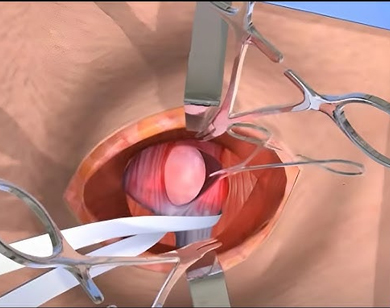
Hernia Surgery
A hernia occurs when an internal organ or fatty tissue pushes through a weak spot in the surrounding muscle or connective tissue. It commonly develops in the abdomen or groin area and may appear as a visible bulge that becomes more noticeable when standing, coughing, or lifting heavy objects.
Hernia surgery is performed to repair the weakened muscle wall and place the protruding tissue back in its proper position. Modern surgical techniques, including laparoscopic and robotic-assisted procedures, allow effective treatment with smaller incisions, less pain, and faster recovery.
Types of Hernia
- Inguinal Hernia – occurs in the groin area and is the most common type
- Umbilical Hernia – develops around the belly button
- Incisional Hernia – appears at the site of a previous surgical incision
- Epigastric Hernia – occurs in the upper abdominal wall
- Hiatal Hernia – occurs when part of the stomach moves into the chest cavity
Symptoms of Hernia
- Visible bulge or swelling in the abdomen or groin
- Pain or discomfort while lifting, coughing, or bending
- Heaviness or pressure in the abdominal area
- Burning or aching sensation at the affected area
- Weakness in the abdominal wall
Causes of Hernia
Hernias are usually caused by a combination of muscle weakness and strain. Certain conditions or lifestyle habits can increase the risk of developing a hernia.
- Weak abdominal muscles from birth or aging
- Heavy lifting without proper support
- Chronic coughing or sneezing
- Obesity or excessive body weight
- Straining during bowel movements or urination
- Previous abdominal surgery
Treatment & Surgical Procedures
Hernias generally do not heal on their own and may worsen over time if untreated. Surgical repair is the most effective treatment to prevent complications.
Common Hernia Surgical Procedures Include:
- Open Hernia Repair Surgery
- Laparoscopic Hernia Repair
- Robotic Assisted Hernia Surgery
- Mesh Hernia Repair to strengthen the abdominal wall
Minimally invasive procedures involve smaller incisions, reduced pain, minimal scarring, and quicker recovery compared to traditional open surgery.
Prevention & Healthy Practices
While not all hernias can be prevented, adopting healthy habits can reduce the risk of developing a hernia or prevent recurrence after surgery.
- Maintain a healthy body weight
- Avoid lifting extremely heavy objects
- Use proper lifting techniques
- Eat a fiber-rich diet to prevent constipation
- Stop smoking to avoid chronic coughing
- Exercise regularly to strengthen abdominal muscles