 Best Gastrointestinal Surgeon in Mumbai, Maharashtra
Colorectal Surgery
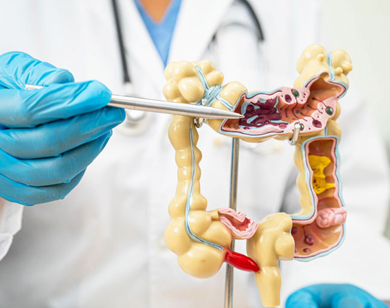
Colorectal surgery focuses on the diagnosis and surgical treatment of diseases affecting the colon, rectum, and anus. These conditions may range from benign disorders such as hemorrhoids and fissures to more complex diseases like colorectal cancer and inflammatory bowel disease.
Modern colorectal procedures often use minimally invasive techniques such as laparoscopic and robotic-assisted surgery. These advanced methods allow surgeons to perform precise operations with smaller incisions, less pain, and faster recovery for patients.
Common Conditions Treated
- Colorectal cancer
- Hemorrhoids (Piles)
- Anal fissures and fistulas
- Diverticular disease
- Inflammatory bowel disease (Crohn’s disease and ulcerative colitis)
- Colon polyps
- Rectal prolapse
Symptoms of Colorectal Disorders
- Persistent abdominal pain or cramps
- Changes in bowel habits (diarrhea or constipation)
- Blood in stool or rectal bleeding
- Pain during bowel movements
- Unexplained weight loss
- Fatigue or weakness
Causes of Colorectal Disorders
Several lifestyle and medical factors may contribute to colorectal diseases. Early detection and treatment are important for preventing serious complications.
- Low fiber diet and unhealthy eating habits
- Chronic constipation
- Family history of colorectal diseases
- Obesity and sedentary lifestyle
- Smoking and excessive alcohol consumption
- Inflammatory bowel conditions
Treatment & Surgical Procedures
Treatment depends on the specific condition and severity. While some disorders can be managed with medication and lifestyle changes, others may require surgical intervention.
Common Colorectal Surgical Procedures Include:
- Colectomy (removal of part or all of the colon)
- Rectal surgery for rectal cancer
- Hemorrhoid surgery
- Fistula and fissure surgery
- Laparoscopic colorectal surgery
Minimally invasive surgical techniques help reduce hospital stay, minimize complications, and promote faster recovery for patients.
Prevention & Healthy Practices
Healthy lifestyle choices can significantly reduce the risk of many colorectal diseases and improve digestive health.
- Eat a fiber-rich diet with fruits, vegetables, and whole grains
- Drink plenty of water to maintain healthy digestion
- Exercise regularly and stay physically active
- Maintain a healthy body weight
- Avoid smoking and limit alcohol consumption
- Schedule regular health checkups and screenings