 Best Gastrointestinal Surgeon in Mumbai, Maharashtra
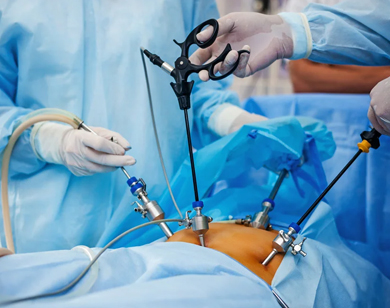
Laparoscopic Surgery
Laparoscopic surgery, also known as minimally invasive surgery, is a modern surgical technique that allows doctors to perform procedures through small incisions using a thin instrument called a laparoscope. The laparoscope contains a high-resolution camera that provides a clear view of the internal organs on a monitor, helping surgeons perform precise and effective treatment.
Compared to traditional open surgery, laparoscopic procedures involve smaller cuts, less pain, minimal scarring, and faster recovery. This advanced technique is widely used for treating abdominal and digestive system conditions such as gallbladder disease, hernia, and appendix problems.
Common Conditions Treated
- Gallbladder stones and gallbladder diseases
- Appendicitis
- Hernia (Inguinal, Umbilical, and Incisional)
- Abdominal cysts and tumors
- Gastrointestinal disorders
- Diagnostic evaluation of abdominal pain
- Adhesions and abdominal infections
- Colorectal conditions requiring minimally invasive surgery
Treatment & Surgical Procedures
Laparoscopic surgery involves inserting a laparoscope and specialized surgical instruments through small incisions in the abdomen. The surgeon performs the procedure while viewing magnified images on a screen, allowing for highly accurate surgical intervention.
Common Laparoscopic Procedures Include:
- Laparoscopic Gallbladder Removal (Cholecystectomy)
- Laparoscopic Appendix Removal (Appendectomy)
- Laparoscopic Hernia Repair
- Laparoscopic Colorectal Surgery
- Laparoscopic Diagnostic Procedures
- Removal of cysts or tumors through minimally invasive techniques
Because of the small incisions used in laparoscopy, patients usually experience less post-operative discomfort, minimal blood loss, shorter hospital stays, and a quicker return to normal daily activities.
Benefits of Laparoscopic Surgery
Laparoscopic surgery offers several advantages compared to traditional open surgery, making it a preferred choice for many surgical treatments today.
- Smaller incisions and minimal scarring
- Reduced pain after surgery
- Lower risk of infection
- Shorter hospital stay
- Faster recovery and return to daily activities
- Better surgical precision with advanced technology