 Best Gastrointestinal Surgeon in Mumbai, Maharashtra
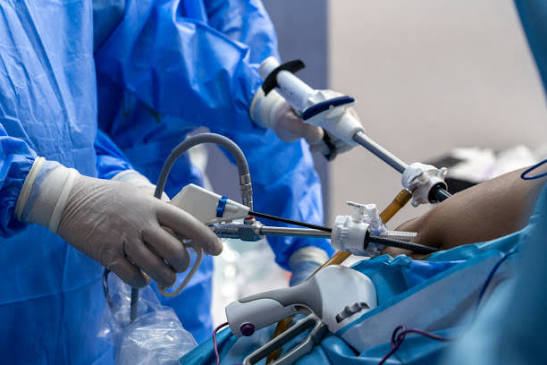
What is a laparoscopy?
Laparoscopy is a diagnostic procedure . A surgeon uses a small device with a light and a camera attached to see organ damage and illness more clearly.During laparoscopy, the doctor inserts the laparoscope through a very small incision in the abdomen. Then a catheter is inserted . This makes it easier to see the organs in the belly and pelvis . The surgeon may sometimes supplement a laparoscopy by inserting additional surgical instruments through the sites of the incisions. During a laparoscopy, the patient may have up to four small incisions made.In a laparoscopy, a medical practitioner may also use a uterine manipulator, which is inserted through the vagina, cervix, and uterus to allow movement of the pelvic organs and to view the different pelvic anatomy. When the treatment is completed, the surgeon will remove all the devices, close the incisions with stitches, put little bandages over the area, and remove most of the carbon dioxide from the belly. Book your appointment now with the Best General Laparoscopic Surgeon in Dadar, Dr. Suyog Shetye, at our clinic.
Benefits
Like all surgical treatments, a laparoscopy has its pros and cons. The advantages of the procedure are most evident when you compare laparoscopy to open surgery.We are the Best General Laparoscopic Surgeon in Dadar.
The benefits of laparoscopy include:- less discomfort compared to an open procedure
- quicker recuperation
- smaller cuts
- reduced chance of infection
Risks
The risks of laparoscopy include:
- Potential for blood loss and the need for transfusion
- possible loss of the internal organs (with damage) will involve the abdominal cavity - hernia, ureter,stomach,bowel,bladder,blood vessels
- anesthesia-related reaction.
- abdominal swelling/infection.
- thrombosis.
- Recovery
An array of symptoms might occur for a few days following a laparoscopy, including:
- weariness
- a painful throat brought on by the breathing tube used throughout the procedure
- soreness when an incision was made
- bloating in the abdomen
- Any residual carbon dioxide in the abdomen might cause shoulder or back pain and irritate the diaphragm.
- Any back or shoulder pain should go away in a few days. If you experience any of the following, make another appointment with a doctor:
- greater or excruciating pain
- nausea or vomiting
- heavy vaginal bleeding
- Heavy bleeding or menstrual clotting
- syncope
- signs of infection, such as fever, chills, redness, swelling, and discharge at the site of the wound
- cannot empty bladder
- difficulty breathing
These symptoms can be signs of problems related to the procedure. May require a bit more care. People can go back to their regular activities in a day or two after surgery. Talk to your medical professional about any particular postoperative restrictions and guidelines when you are having a laparoscopy.Schedule an appointment today with Dr Suyog Shetye, Best General Laparoscopic Surgeon in Dadar.